
Research Team Member — Georgia Tech VIP, Spatial Apps
I'm on a Vertically Integrated Projects research team building tools to understand and reduce urban heat. My role is data collection for a multi-city SOLWEIG GPU effort: I gather elevation, LiDAR, land-cover, and tree-canopy source data for New York City, Philadelphia, San Francisco, and Tucson. I also run SOLWEIG thermal-comfort comparisons between its GPU and CPU implementations on Georgia Tech's PACE supercomputing cluster, and contribute to the team's Cool Choices app — a React and Mapbox tool for placing trees on campus and seeing how the thermal environment responds.

Software Engineering Intern — The Home Depot
I returned to The Home Depot for a second Software Engineering internship, where I built mPulse, a multi-agent pricing intelligence system that lets pricing managers ask questions about Competitor Price Index (CPI) data in plain language instead of digging through manual lookups. I built both the front end and the back end: four Gemini agents on Vertex AI work in sequence — one expands short follow-ups like "Why?" into complete questions using the conversation so far, one validates that a question is answerable from the data, one queries BigQuery, and one turns the results into readable answers with charts and suggested follow-up questions. Underneath it sits a BigQuery competitive pricing pipeline covering CPI metric definitions and SKU-level data flows. During a pricing hackathon, I also contributed an output-formatting agent that produced structured JSON responses and Plotly charts. This deepened my ability to connect data engineering with multi-agent AI systems.
Software Engineering Intern — The Home Depot
In my first internship, I worked on improving pricing accuracy for Pro customers. I built a notification service that helped pricing managers identify mismatches across millions of sales records, and explored how predictive sales models could be applied to real-world pricing adjustments — gaining experience in both backend development and data-driven decision-making. This role taught me how to balance technical problem solving with business impact.
Digital Creator — YouTube
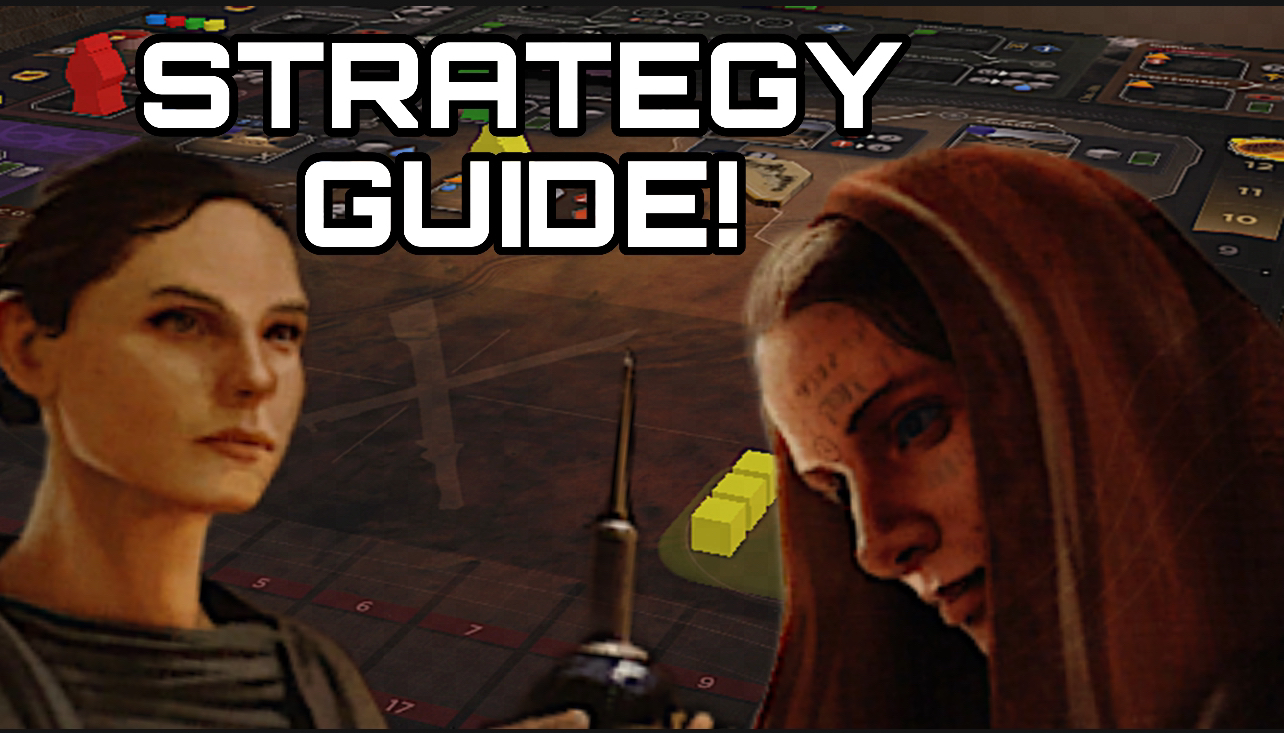
I combine my passion for board games with digital media, building an audience around Dune: Imperium and its expansions. More than 20 educational videos have taught me how to break down complex mechanics into digestible content for a global audience of over 1,000 viewers across 60+ countries. Along the way I've sharpened video editing, marketing, and storytelling skills, and learned how to grow and track a community using analytics.